Tenerife had never been a top travel priority for us. We knew it was the most crowded and chaotic of the Canary Islands, and overall, its shape and character didn’t particularly appeal to us. Eventually, however, we decided to seize the opportunity: see the island, experience the Canary Islands in winter after having visited several, and celebrate a New Year’s Eve with a difference.
The flight from Malpensa was smooth and familiar, an airport we’re now accustomed to. After about four and a half hours, we landed in surprisingly mild weather: sunshine, a warm late-afternoon light, 5 PM local time, and a pleasant temperature that made us feel more than comfortable even in a merino wool sweater and long pants. We rented a car and, as always, opted for comprehensive insurance, an essential safety measure when traveling somewhere new. The hotel – located in the southern area of the island, 3km from the sea – was aesthetically pleasing, with a spacious two-room apartment, a well-equipped kitchen, and breakfast included: a good starting point for our vacation.
As we got closer, we recognized places on the other islands where we stayed.
The first evening, after a bit of rest, we looked for somewhere to eat nearby. We found a place with a similar name to Los Cristianos, but the food didn’t convince us: plates full of sauces, heavy condiments, a menu clearly designed for the average Northern European tourist — English, German, Scandinavian — far removed from the Mediterranean flavor we’re used to. This confirmed what we already suspected: in the more touristy areas, the quality of food declines, while prices rise.
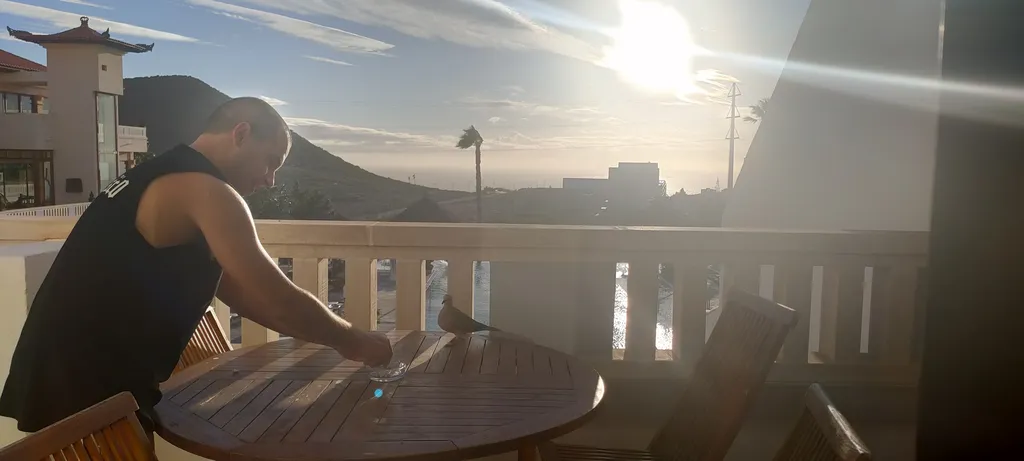
Our hotel: self-catering accommodation and a pleasant view of the ocean.
And it’s precisely the issue of cost that strikes us the most: everything seems to have lost proportion and logic. A Margherita pizza at an amusement park costs €15, a small bottle of water costs €3.50, activities that cost much more than what they offer in return. It’s not just a seasonal effect linked to the New Year period: the quality-price ratio appears unbalanced even when considering the calendar and the influx of tourists.
Excessive prices in tourist areas.
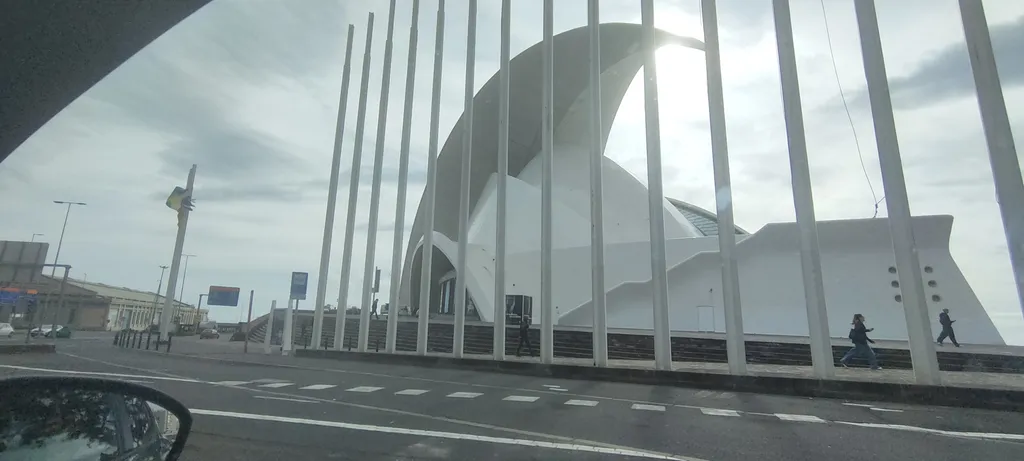
Over the next few days, we explored the island by car. In the north, we drove through the capital, Santa Cruz de Tenerife, passing the famous Auditorium with its iconic architecture. We walked through the streets of La Laguna — a town described as quaint, but which didn’t leave a lasting impression on us — and arrived in Puerto de la Cruz, in the northwest. Just then, Storm Francis arrived, bringing rain, clouds, and wind for two or three days. We avoided Las Teresitas beach, as we already knew it was man-made: we were mostly interested in natural landscapes. Furthermore, the weather was bad, so we wouldn’t have been able to fully enjoy it anyway.
Refinery and Auditorium: the most iconic contrast in the capital Santa Cruz de Tenerife.
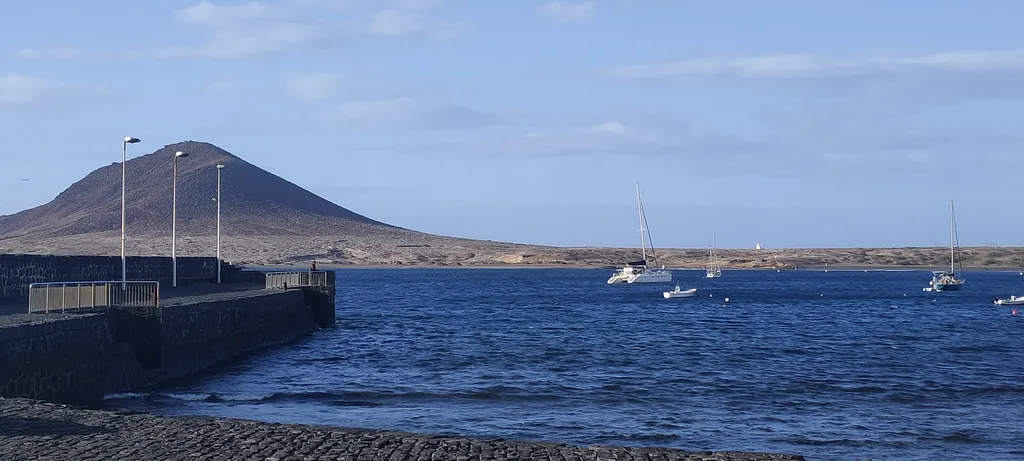
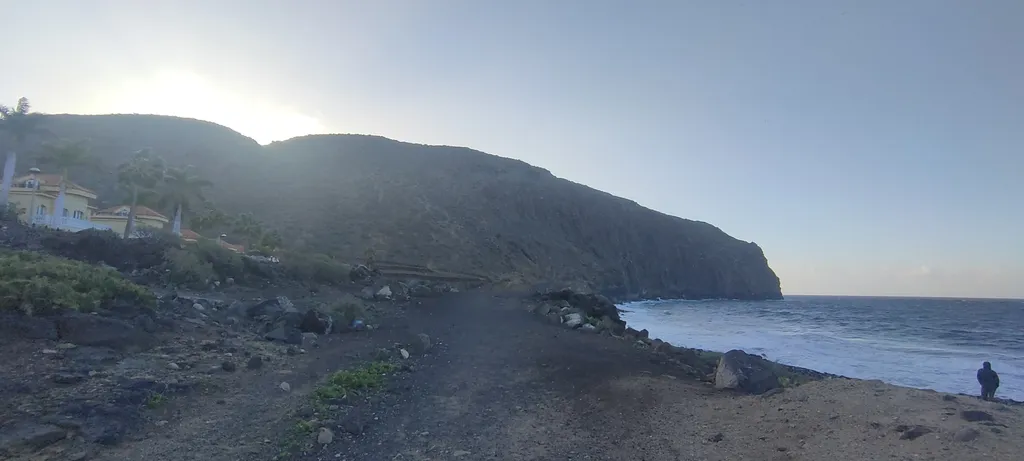
Luckily, the sun returned early over the weekend, restoring color and liveability to the island. Despite this, the northern villages didn’t impress us as much as the southern landscapes, especially in the area between Costa del Silencio and El Médano, where we found more authentic views and a sense of greater harmony with what we seek when we travel. The black sands have their charm, even if in our imagination the white and golden ones always win out.
Shots from the port of El Médano but the best is just outside, on the sides of the village.
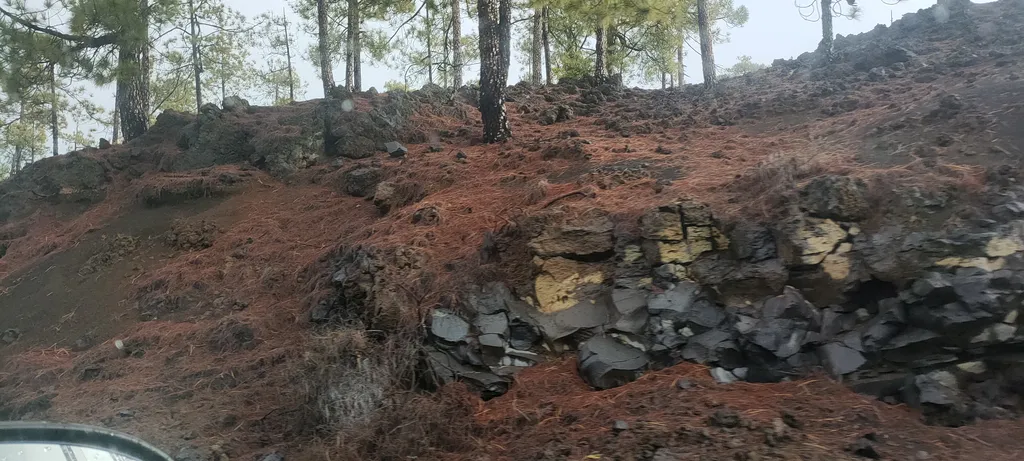
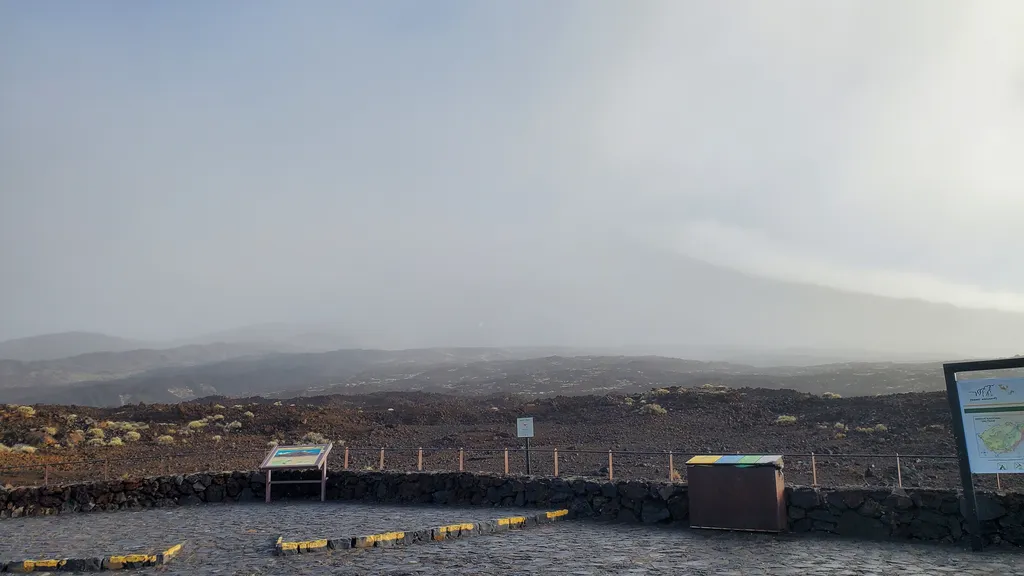
Halfway through our vacation, we drove through Teide Natural Park, climbing to about 2,000 meters. The landscape changes as you ascend — mountain vegetation, alternating dark and orange earth, mountains completely unlike those in Italy—and is an intriguing experience. At altitude, we recorded 5°C, a clear demonstration of how much temperatures drop with altitude. For us, who prefer the sea, it was a quick visit, just enough time to soak up the atmosphere.
Our journey to Teide Natural Park.
We also admired Los Gigantes, imposing cliffs overlooking the ocean: pretty, but immersed in an extremely crowded area. And perhaps that’s the word that always comes up: crowded. The island seemed not only touristy, but excessively overcrowded, overrated in the popular narrative, unbalanced in the real experience. Furthermore, the social aspect was also problematic for us, as it was really difficult to strike up a conversation with German, English, or Northern European tourists, while it was much easier to strike up conversations with locals or with the occasional Italian (though there are far fewer of them) we encountered around.
The view from below on the sheer cliffs of Los Gigantes.
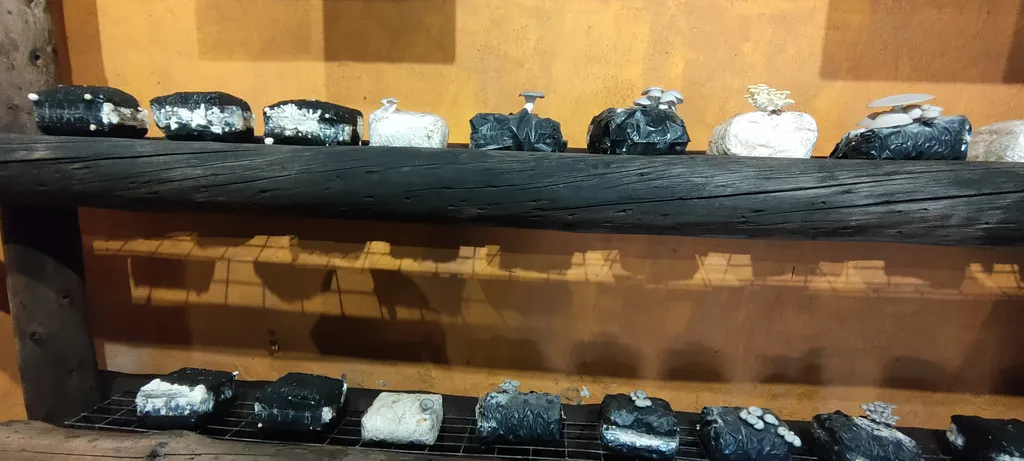
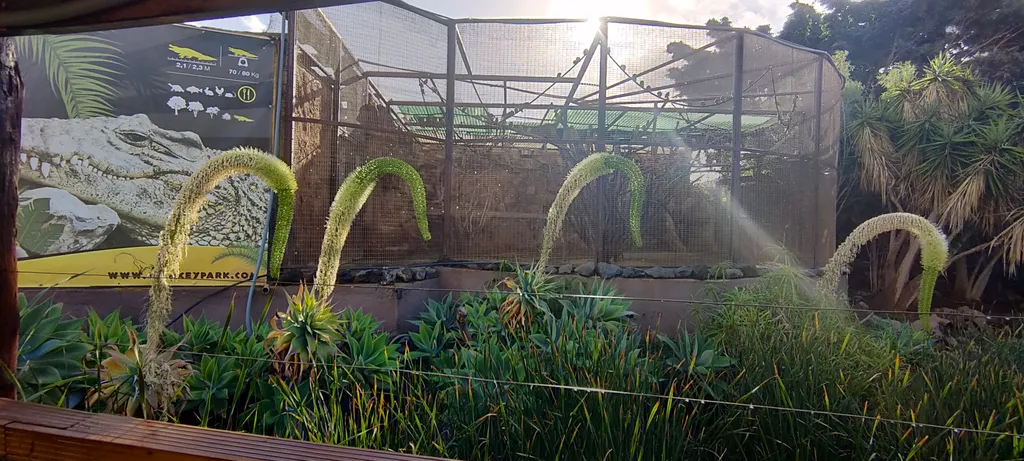
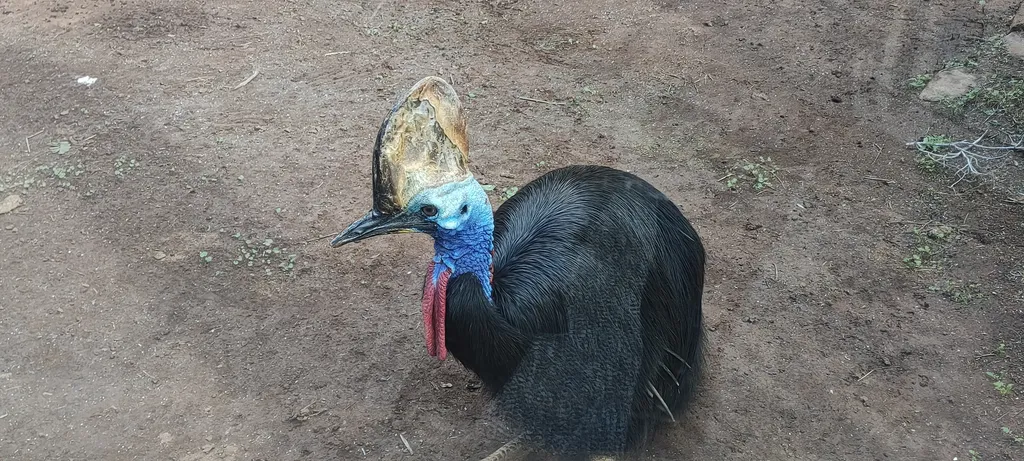
We also visited wildlife parks: some cheaper, others decidedly expensive. Overall, fun is never particularly cheap, and entertainment, unfortunately, weighs heavily on the wallet. On the other hand, these experiences are worth it: they allow us to see animals we would never have the opportunity to observe in everyday life. It’s still a mixed feeling. On the one hand, the joy of the encounter, on the other, a slight lump in my stomach: it always leaves a bitter taste in my mouth, because deep down I’d prefer animals to live free in their natural habitats rather than in captivity — even if they were treated well.
Some shots from our visit to the wildlife parks.
The island gives a fairly spacious feel, as the only significant elevations (pun intended) are almost exclusively in the central area, which converge toward Mount Teide. Although it is generally quite sloping, with occasional flat spots, there are few truly flat areas, especially when compared to Fuerteventura, Lanzarote, or Gran Canaria. The latter, despite its significant orography, has lower elevations and more truly flat areas (although a good portion of the island is still covered by hills and rolling hills).
The water issue didn’t help: the sea is chilly in winter, understandably so given that it’s oceanic, but even the pools — rated at 24-25°C — feel much colder to the touch, making swimming almost impossible. Those who come to the Canary Islands in winter expecting a full-blown summer experience might be surprised: the climate can be pleasant, but the wind can sometimes be bothersome, and the water generally remains chilly.
Some views of the island of Tenerife.
The Canary Islands’ winter, however, has one major advantage: light. Even in the darkest period of the year, days offer nearly 10 and a half hours of effective daylight, easily reaching 12 if you include the first and last hours of daylight. Furthermore, the fact that the archipelago lies just below the 30th parallel makes a huge difference: in the Canary Islands, the sun reaches an elevation about 17° higher than in Northern Italy. In short, the sun in the Canary Islands on December 21st is similar to that in Milan in early March, but with temperatures already resembling full spring, almost a step away from summer.
This means a brighter light that warms more, brightens colors, shortens shadows, and really gives the feeling of transitioning into summer. If it’s sunny, you can wear shorts and short sleeves, but it’s always wise to have a sweatshirt or sweater handy, because the wind in winter isn’t the refreshing summer breeze; it can be a bit annoying, especially in the evening. In any case, winter and autumn aren’t words that find much space in the Canarian dictionary.
The Sun at midday, in the darkest month of the year, reaches about 38°–39° elevation.The daytime temperature of a beautiful day in January.I’m a little sorry they’re not free.
In short, Tenerife left us with a mixed feeling: beautiful landscapes, but not extraordinary for our tastes; a warm welcome, but outrageously expensive; an interesting natural diversity, but overshadowed by invasive and denaturalizing tourism. An island worth seeing if the opportunity arises, but one we wouldn’t choose if the goal were pure beauty or winter relaxation by the sea. The only island that, in our opinion, truly embodies the concept of a beach holiday is Fuerteventura. Tenerife, while lagging behind Gran Canaria in completeness and charm, is at least partially saved by its chromatic variety, southern landscapes, and more “lively” atmosphere compared to Lanzarote, which we found sad, monotonous, and uninspiring.
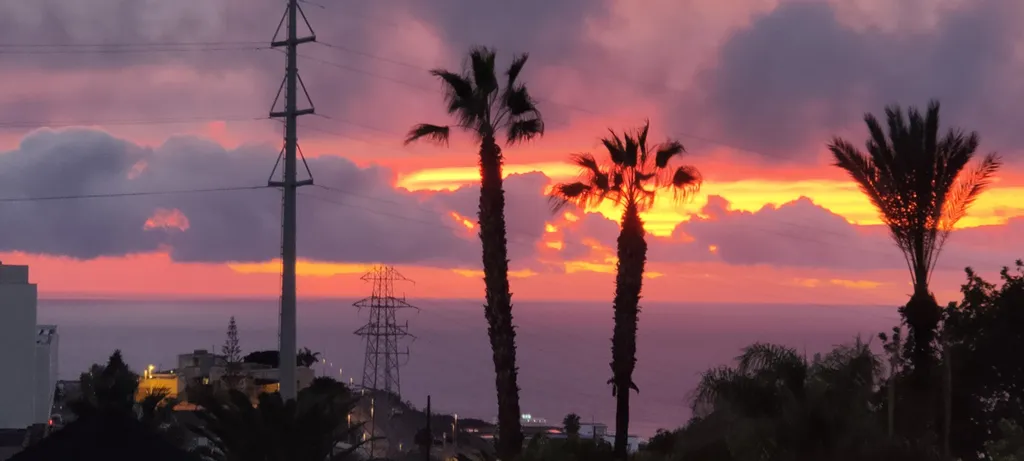
A relaxing and warm sunset, towards the tail end of Storm Francis.






















Lascia un commento